
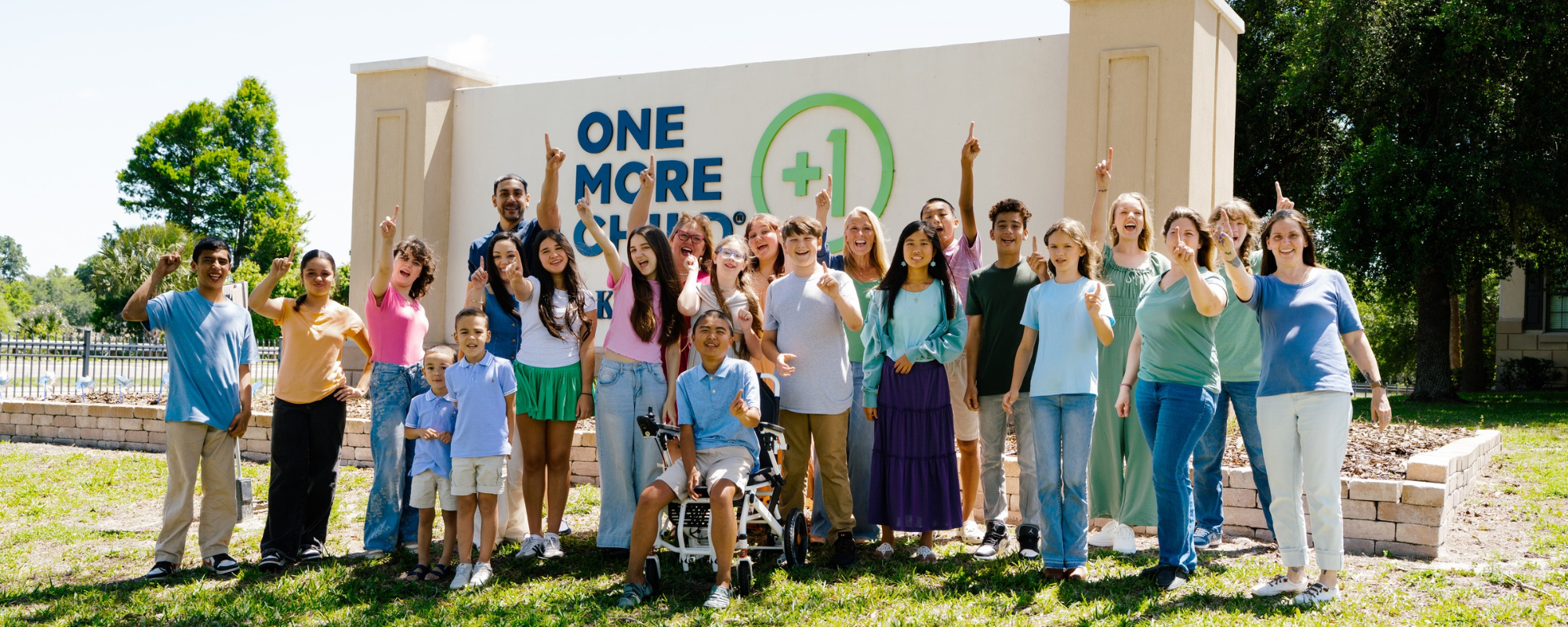

How to mobilize volunteers and support vulnerable children
and families, no matter your church’s size.
For one family in Sarasota County, Florida, becoming foster parents wasn’t something they were quite ready to do. But when they saw how their church community was preparing to support foster families, they began to imagine opening their own home to a child in need.
The family was among 30 people who attended a One More Child Foster Crew training at their church, including their pastor. Together, they learned how church members could use their individual gifts and abilities to surround foster families with practical support, encouragement, and prayer.
Knowing their church was committed to walking alongside foster families, they signed up for an upcoming class to begin the foster-parent licensing process.
Read their story: Foster Crew Members Become Foster Family
Foster care is just one example of how churches can put their compassion into action. From mentoring single moms to supporting kinship caregivers and helping struggling parents find stability, every congregation has opportunities to make a difference.
Every child has a name. Every family has a story.
And every church has something to offer.
Somewhere in your congregation, a foster family may be adjusting to a new placement. A single parent may be struggling to keep up with everyday responsibilities. A kinship caregiver may be navigating an unfamiliar role while trying to provide stability for a child.
You may recognize these needs but wonder where to begin. How do you mobilize your congregation when volunteers, resources, or leadership support may be limited?
You don’t need a large congregation, a perfect budget, or an established ministry to begin.
You can start with one child, one family, and one faithful step.
What Is a Wraparound Care Ministry?
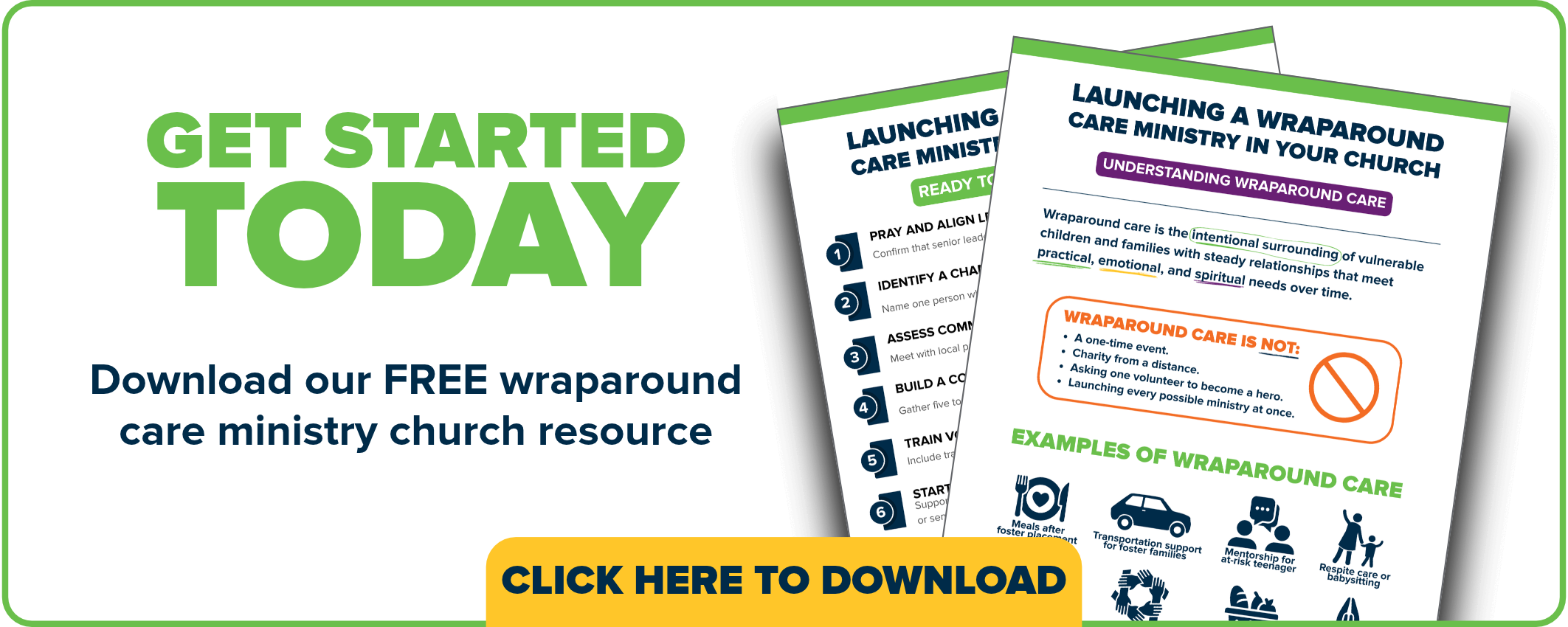
Wraparound care is the intentional surrounding of vulnerable children and families with steady relationships that meet practical, emotional, and spiritual needs over time.
It’s an organized way to make love practical.
That might mean meals after a new foster placement, transportation to appointments, mentoring a teenager, or giving foster, adoptive, and kinship caregivers a much-needed break.
It can also mean helping single parents through life-skills classes or support groups, providing food and household essentials to struggling families, or connecting vulnerable children with caring adults who will walk alongside them.
But wraparound care is more than a one-time event or an occasional donation. It’s about building relationships that continue after an immediate crisis has passed.
For churches, that means moving beyond individual acts of kindness toward a shared commitment to care for children and families over time.

6 Steps to Start a Wraparound Care Ministry
Whether your church has 80 members or 8,000, these six steps can help turn a shared vision into practical action.
1. Pray and Align Church Leadership

Before building a volunteer team, confirm that senior leaders see wraparound care as part of the church’s mission.
Pray together, identify what is already happening informally in your congregation, and ask what your church can realistically support in this season.
Senior leadership doesn’t need to manage every detail, but the ministry needs clear pastoral support and a shared sense of purpose.
Start here: Invite a small group of leaders to discuss how supporting vulnerable children and families fits your church’s discipleship strategy.
2. Identify a Ministry Champion

Every healthy ministry needs someone who can help move the vision into action.
This may be a staff member or a lay leader who understands your church’s culture, recognizes the gifts of others, and can build a team.
Look for spiritual gifts and abilities rather than assuming ministry leadership must come from vocational pastors.
The champion doesn’t need to do everything. Their role is to guide the discovery and launch process while inviting others to contribute.
Start here: Identify one person who can lead the effort and begin forming a small launch team.
3. Assess Community Needs

Strong ministries begin by listening.
Meet with local partners, including schools, foster care organizations, child welfare agencies, pregnancy resource centers, counseling providers, food banks, and nonprofits.
Ask where the greatest gaps exist. Listen before offering solutions, and look for needs that match your church’s capacity.
These relationships can help your congregation respond to real needs rather than guessed needs.
Start here: Contact one community partner and ask how your church might provide meaningful, sustainable support.
4. Build a Core Volunteer Team
You don’t need the entire congregation to sign up before you begin.
Gather five to 10 committed people who can help shape your first ministry response. Cast the vision to the broader congregation and offer clear opportunities for different levels of involvement.
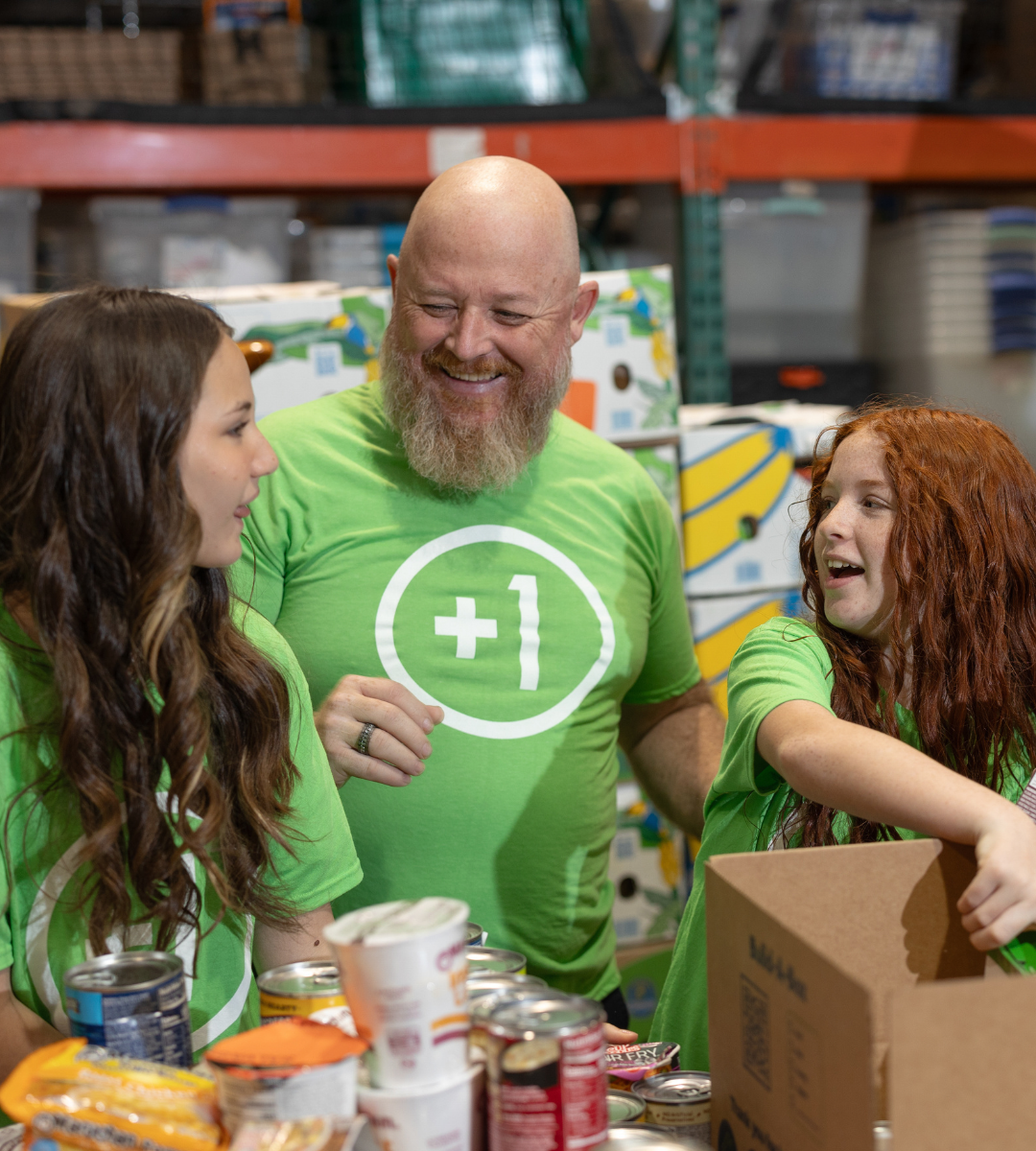
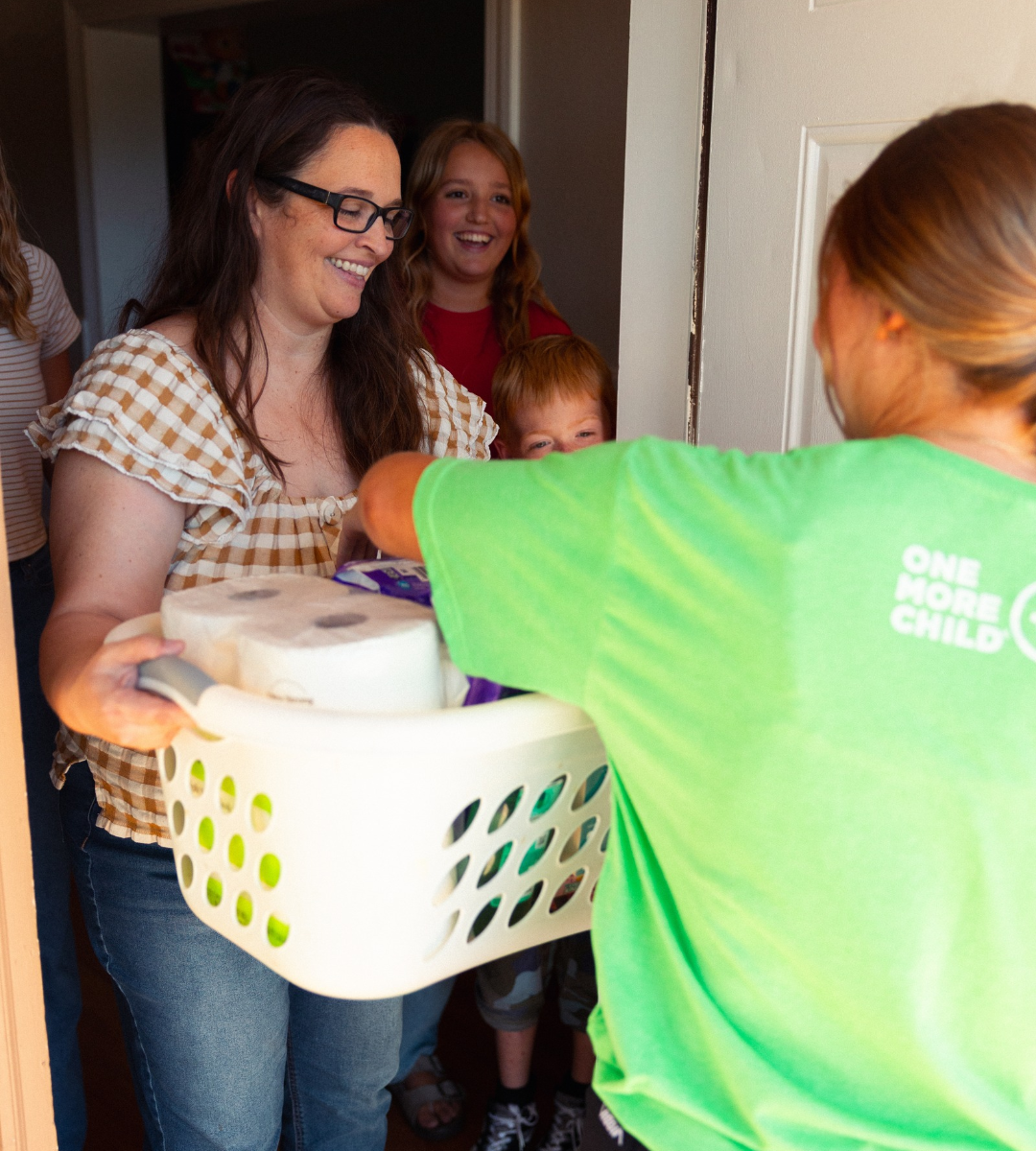
Some volunteers may prepare meals or provide transportation. Others may mentor teenagers, support single parents, organize donated supplies, or offer prayer and encouragement to families facing difficult circumstances.
The goal is to build a volunteer culture, not just a volunteer list.
No one volunteer has to change everything. But many people each doing one faithful thing can make a difference for a family.
Start here: Invite people into a vision meeting and help them identify practical ways to serve according to their gifts and availability.
See it in action: One More Child’s Foster Crew ministry offers one example of how churches can organize volunteers to provide ongoing support. See how City Church put this wraparound care model into practice.
5. Train and Equip Volunteers Well

Recruiting names is not enough. Volunteers need clear expectations, practical training, encouragement, and ongoing support.
Training should include trauma awareness, healthy boundaries, confidentiality, consistency, humility, and how to serve families without trying to control their stories.
Simple systems for volunteer screening, background checks, matching, communication, and follow-up help protect families and prevent volunteers from becoming overwhelmed.
Start here: Establish basic training and clear expectations before volunteers begin serving.
6. Start With One Focused Ministry

Don’t launch five ministries at once.
Choose one starting point and do it well. Support one foster family, create one care community, begin one support group, or develop a pathway to encourage struggling parents.
Then evaluate, celebrate, and adjust.
Ask what worked and what was too much. Check on volunteer health, listen to the families being served, and celebrate stories, not just numbers.
Healthy ministries grow deeper before they grow wider.
Start here: Choose one focused ministry response your church can sustain, and set a date to begin.
See it in action: In Columbus, Ohio, a single mother named Patricia attended parenting classes at a partner church, where she found a welcoming community and practical resources. With ongoing support from One More Child, she worked toward greater stability for herself and her young son.
One Body, Many Ways to Serve
In 1 Corinthians 12, Paul describes the church as one body made up of many members. Each has a role, and each is responsible for the care of the others.
Scripture reminds us:
“‘If one member suffers, all suffer together; if one member is honored, all rejoice together. ‘”
— 1 Corinthians 12:26 (ESV)
This picture of the body of Christ offers a practical foundation for wraparound care.
Not everyone will foster or adopt. Not everyone can provide transportation, prepare meals, or mentor a child. But everyone can contribute something.
One family should not carry the whole burden alone.
When church members recognize the gifts God has given them and put those gifts to work together, they can provide steady relationships and practical care for children and families facing foster care, poverty, instability, or other difficult circumstances.
And that kind of care can begin long before a church has a formal ministry in place.
Partner With One More Child to Support Vulnerable Families
Your church doesn’t have to meet every need alone.
Government can provide services. Agencies can provide case plans. Nonprofits can provide expertise. But the church is uniquely positioned to provide family, belonging, spiritual care, and long-term relationships.
Through opportunities such as Foster Crews and Single Moms Community Programs, One More Child partners with churches to help turn compassion into practical action.
And the possibilities don’t end with an established program. A meal delivered after a new foster placement, a parenting class for a struggling single mom, or a few hours spent mentoring a teenager can provide meaningful support to a family who needs it.
You don’t have to wait until your church is bigger, your budget is perfect, or every volunteer role is filled.
Begin with the people you have, the needs you recognize, and one practical opportunity to serve.
Ready to help one more child and one more family?
Explore church partnership opportunities with One More Child to discover how your congregation can put its gifts, resources, and compassion into action.
Because every child has a name. Every family has a story. And your church has something to offer.